Black Seed Oil: The 3,000 Year Old Wellness Secret Making a Comeback
Found in King Tut's tomb, treasured by Cleopatra, praised in traditional Islamic medicine as the seed of blessing: black seed oil has traveled across cultures and centuries, and it is having a real moment again.

Pressed from the Nigella sativa plant, black seed oil has been used for more than 3,000 years. Ancient Egyptians mixed it into tonics and applied it to skin and wounds. In traditional Islamic medicine it is known as habbat al-barakah, the seed of blessing. In Ayurveda, it was prized for digestion and immunity. Egyptian, Persian, Greek, and Indian traditions all landed on the same conclusion independently: this small black seed carries real healing potential.
The key compound is thymoquinone, or TQ, a natural antioxidant and anti-inflammatory. Research suggests TQ may help reduce inflammation, support immune health, and protect cells from oxidative stress. Egyptian-grown seeds tend to carry higher TQ levels, likely from the hot, dry climate and rich Nile soil, which is part of why Egyptian black seed oil has a reputation as the most potent. Cold pressing preserves more of these compounds, so quality and sourcing genuinely matter.
People use black seed oil to help regulate immune response, ease bloating and indigestion, and calm inflammation connected to both digestion and skin health. Applied topically, it can moisturize, balance oil production, and support scalp health. Some studies link it to improved cholesterol and blood sugar regulation, and its antioxidant profile may support brain health and reduce fatigue over time. It is a supportive tool, not a substitute for medication, and not a miracle cure.
Start small if taking it internally, around half a teaspoon a day mixed into tea, juice, or a smoothie. The flavor is strong, peppery and earthy. Topically, try a few drops massaged into the scalp or blended into a moisturizer, always with a patch test first. Keep it in a cool, dark place, since sunlight breaks down its potency, and talk to your doctor before adding it to your routine, especially if you take medication or manage an underlying condition.
Look for cold-pressed, unrefined oil in dark glass bottles. Shaiterra Organics Egyptian Black Seed Oil, Amazing Herbs Egyptian Black Seed Oil, and Kiva Organic Black Seed Oil are three ethical, lab-tested, vegan-friendly options worth starting with.
On this episode

The people, places and media this story names, from our Directory. Vote for them, or open their page.
 Previous episodeVegan With Osteoporosis: A Real Nutrition Plan for Stronger BonesEpisode 15 · Nov 15, 2025
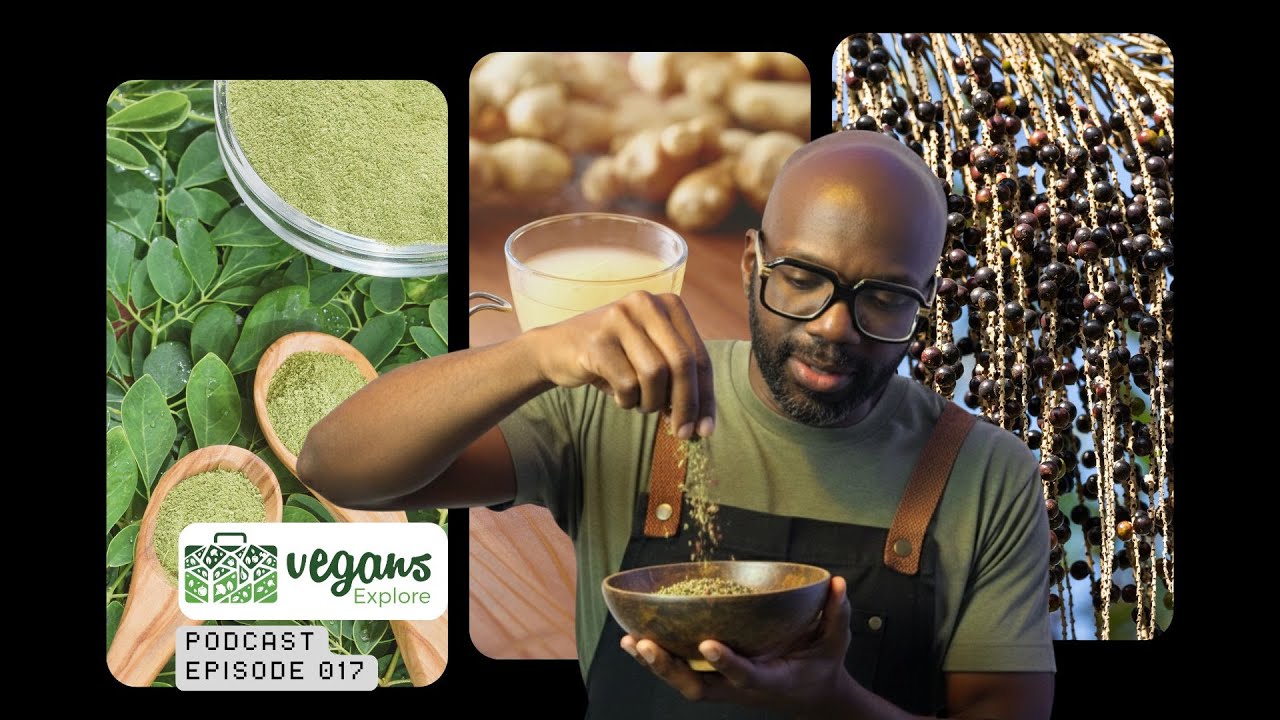 Next episodeThe Top 10 Plant-Based Superfoods, RankedEpisode 17 · Nov 17, 2025
 The Top 10 Anti-Vegan Arguments, and How to Respond Without the Rage BaitEpisode 19 · Nov 19, 2025
 Ital Living: Jamaica's Deep Roots in the Global Plant-Based MovementEpisode 18 · Nov 18, 2025
 South Florida Vegans Call to ActionNov 17, 2025
 When Vegan Brands Get Bought: What Happy Cow, Miyoko's, and Six Other Acquisitions Teach UsEpisode 14 · Nov 14, 2025
 The Frustrating Thing About Being VeganEpisode 13 · Nov 13, 2025
 Veganism and Your Carbon FootprintEpisode 12 · Nov 12, 2025